QA- Tony Robot Article
|1 day 12345678!@£$%^&* min read

This is a test
This is a quick test
Retro Tin Robots: Small Machines with Big Personalities
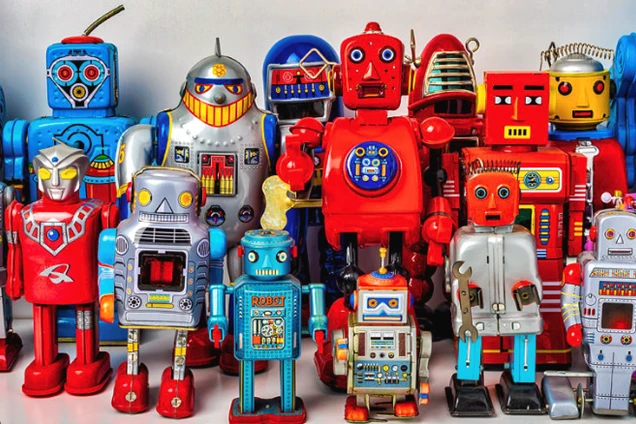
A square head. A painted grin. Two stiff arms poised for an adventure across the kitchen floor. Retro tin robots turn simple shapes into unforgettable characters, capturing a vision of the future that feels wonderfully human.
Their appeal begins with their cheerful contradictions. They look powerful yet endearingly awkward, futuristic yet unmistakably old-fashioned. A robot with oversized feet and a chest full of painted dials hardly needs to move to suggest a story.
A Future You Could Wind Up
Imagine turning a small key, setting a robot on the table, and watching it shuffle forward. Each mechanical step becomes part of the performance: the slight wobble, the determined posture, the possibility that it might wander straight into a teacup.
That physical connection gives a mechanical toy its particular charm. You supply the first spark of movement, and the little machine takes over.
The Details That Give Tin Robots Character
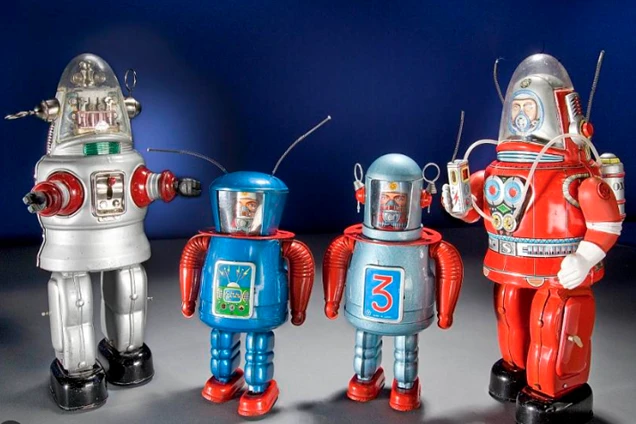
Retro robot design makes an impression without needing much space. Bold colours catch the eye, while printed buttons, gauges, and rivets suggest complicated machinery hiding inside a modest metal body.
A Personality Built from Simple Shapes
A few design features do much of the storytelling:
-
Boxy bodies give the robots a sturdy, purposeful silhouette.
-
Wide eyes can make a metal face appear curious or surprised.
-
Bright control panels invite us to imagine mysterious functions.
-
Oversized feet lend even the fiercest-looking robot a comic touch.
-
Metallic finishes and colourful patterns make each surface worth a closer look.
Together, these details create something more expressive than a miniature machine. A tilted antenna becomes a question mark; a straight painted mouth becomes an expression of heroic determination.
The Beauty of a Little Wear
A scuffed corner or faded patch of colour can invite questions about a toy’s past. Who wound its key? Which imaginary planets did it explore? How many times did it march beneath a sofa?
Wear does not tell us the answers, but it leaves room for a story. For someone drawn to the atmosphere of old toys, that room for imagination can be part of the pleasure.
Giving a Retro Robot Its Own Stage
A tin robot is a natural focal point. Its strong outline and expressive face can bring a playful note to a bookshelf, desk, or display cabinet.
A Simple Display in Three Steps
-
Choose a central character. Start with a robot whose colours or expression make you smile.
-
Give it breathing room. A clear space around the figure lets its silhouette and smaller details stand out.
-
Build a small scene. Add a space-themed illustration or a favourite science-fiction book to suggest the world it belongs to.
For a themed webpage or creative project, you could pair the display with an invitation such as Explore a world of retro robots.
Why These Little Machines Still Spark Imagination
Retro tin robots make the future feel approachable. Their controls are visible, their expressions easy to read, and their ambitions apparently enormous. Even standing still, they seem ready for a mission.
Perhaps that is their most enduring quality: they give imagination something tangible to work with. A shelf becomes a launchpad. A desktop becomes an unexplored planet. And a little metal figure, with its feet planted firmly apart, becomes the brave explorer sent to discover it.